
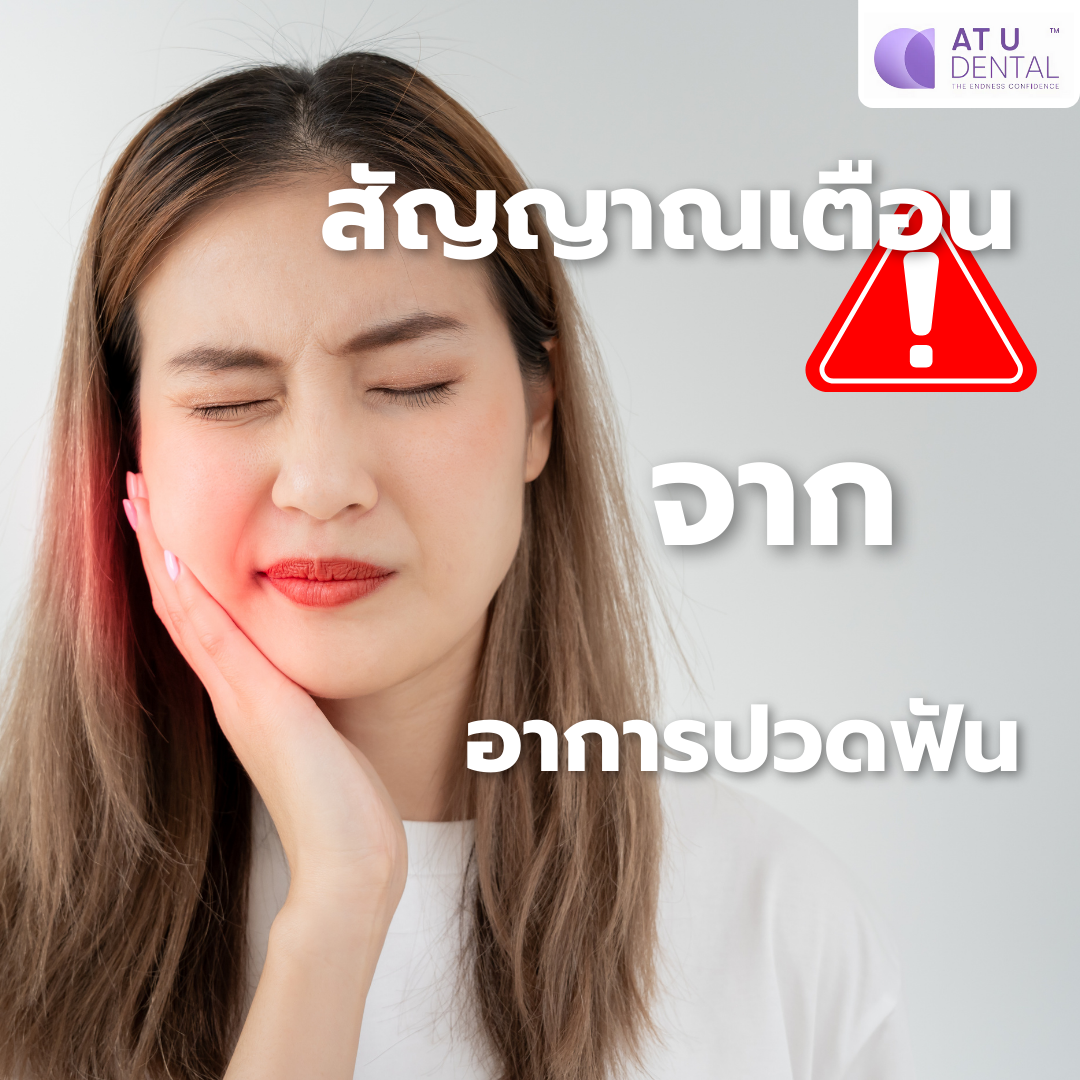
Introduction: What is a Toothache, and Why Does it Hurt?
A toothache is any feeling of discomfort or pain in or around a tooth or the jaw. This pain does not occur naturally; it is a vital warning signal ที่สำคัญที่สุดจากร่างกายว่าเกิดความเสียหายขึ้นในโครงสร้างฟันหรือเนื้อเยื่อรอบๆ แล้ว การเพิกเฉยต่อความปวดนี้อาจนำไปสู่ภาวะแทรกซ้อนที่รุนแรงและค่าใช้จ่ายในการรักษาที่สูงขึ้นอย่างหลีกเลี่ยงไม่ได้
1. What Does the Toothache Symptom Indicate? (Initial Diagnosis)
The characteristics of the pain can indicate different underlying causes and severity levels of the problem.
| Type of Pain Symptom | Possible Underlying Cause | Severity Level |
| Sharp, fleeting pain when exposed to cold/sweet; disappears quickly | Early-stage tooth decay, tooth wear, gum recession (exposing the dentin) | Minor (Usually easily resolved) |
| Throbbing pain, rhythmic, constant ache | Deep tooth decay reaching the dental pulp, inflammation/infection of the pulp | Moderate to Severe (Requires root canal treatment) |
| Pain when biting or chewing | Cracked tooth, fractured tooth, lost filling, deep decay, temporomandibular joint (TMJ) issues | Moderate (Requires identifying the source of pressure) |
| Gum pain, swollen gums, pus discharge | Gingivitis, Periodontitis, Dental Abscess (infection at the root tip) | Severe (Involves infection) |
| Pain radiating to the ear, temple, or neck | Erupting wisdom tooth, spreading infection, TMJ disorder | Severe (Referred Pain) |
| Tooth pain after a procedure (e.g., filling) | Improper bite adjustment (occlusion), temporary post-procedure sensitivity | Minor (Usually improves on its own within 1-2 weeks) |
2. What to Do About a Toothache, and What Happens if You Neglect It?
What to Do About a Toothache? (Correct Course of Action)
- Do Not Ignore: If you experience even minor pain, schedule an appointment with a dentist immediately to diagnose the cause.
- Avoid Triggers: Refrain from chewing on the painful side and avoid food and drinks that are very hot, very cold, or overly sweet.
- Document Symptoms: Observe and record when the pain occurs, how long it lasts, and the specific nature of the pain to provide detailed information to the dentist.
What Happens if You Neglect a Toothache?
If the toothache signals an infection or inflammation, such as deep decay, neglecting it can lead to dangerous complications:
- Spreading Infection (Dental Abscess): Pus accumulates at the root tip, which can spread to the jawbone and soft tissues of the face.
- Sepsis/Infection Entering the Bloodstream: In severe cases, the dental infection can spread to other parts of the body (e.g., throat spaces, brain), potentially becoming life-threatening.
- Severe, Pulsating Headache (Pain Radiating to the Brain): This intense pain usually stems from acute inflammation of the dental pulp (Pulpitis), causing pressure on the nerve inside the tooth. The pain is so severe that it radiates to the head and ear, indicating the inflammation has reached a critical stage and often requires emergency root canal treatment.
3. Home Remedies for Toothache (First Aid)
These methods are only for temporary relief before you can see a dentist and are not a cure for the underlying problem:
- Cleanliness: Brush and use dental floss to remove any food debris that might be trapped around the painful area.
- Cold Compress: Apply an ice pack wrapped in a cloth to the outside of the cheek to reduce swelling and numb the pain sensation.
- Warm Salt Water Rinse: Rinse your mouth with warm salt water (1 teaspoon of salt per 1 cup of warm water). This helps disinfect the area and reduce inflammation.
- Avoid Heat: Do not use warm water or heating pads directly on the area, as heat can worsen swelling and inflammation.
4. What Medications Can Be Taken for a Toothache? (Symptom Relief)
Medications used for a toothache are typically pain relievers and anti-inflammatories, which should be taken strictly according to the advice of a pharmacist or dentist.
- Basic Pain Relief (Non-Opioids):
- Paracetamol (Acetaminophen): Used to relieve mild pain.
- Ibuprofen or Naproxen: These are Non-Steroidal Anti-Inflammatory Drugs (NSAIDs) and are highly effective in reducing the inflammation and pain associated with dental nerve inflammation. Caution should be exercised in individuals with stomach ulcers or kidney problems.
- Antibiotics: Never self-medicate with antibiotics. Antibiotics are used only in cases of confirmed bacterial infection (e.g., pus or swelling) and must be prescribed by a dentist to ensure the correct type and dosage.
5. Dangerous Side Effects of Toothache
If tooth pain is accompanied by the following signs, you should seek emergency medical attention or see a dentist immediately, as it may indicate a rapidly spreading infection:
- High Fever and Chills: Indicates a severe systemic infection.
- Rapid Swelling of the Face or Neck: Swelling that spreads towards the eye or down the neck could be a sign of Cellulitis, a dangerous infection of the skin and underlying tissues.
- Difficulty Swallowing or Breathing: Swelling in the neck or under the chin (Floor of the Mouth) can compress the airway.
- Severe Headache and Radiating Ear Pain: May signal an infection close to the brain or extremely severe inflammation.
A toothache is not a minor inconvenience; it is a cry for help from your tooth. Self-medication offers only temporary relief. Only treatment by a dentist targeting the root cause can stop the damage and prevent the problem from escalating into more costly procedures and reduce the risk of dangerous infections.
Phone Number: 02-096-4435
LINE OA: @atudental